Record/What Is Killing Them/Vessel Noise
02 — What Is Killing Them
Vessel NoiseVessel Noise
Orcas hunt with sound. A noisy ocean is a dark one.
Severity scorecard
Scored 2026-09-07Severity rating
3 / 5 · Moderate
- Trend
- Improving
- Mechanism
- High confidence
- Lag to effect
- Immediate
- Scored
- 1 July 2026
What would move thisA mandatory seasonal slowdown in the Haro Strait corridor, not a voluntary one.
Assessment
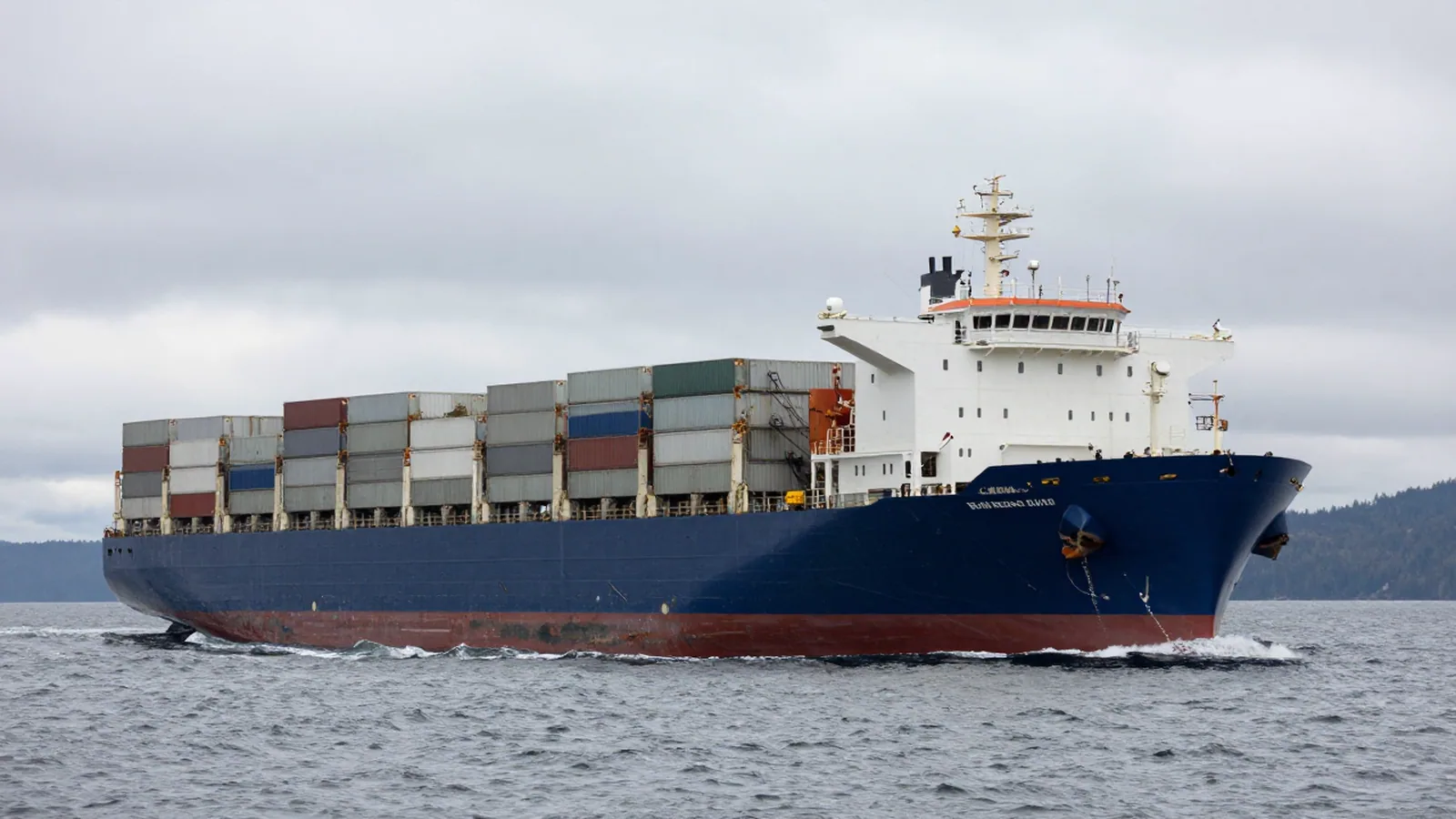
Orcas find salmon by echolocation, listening for the returning click off a fish's swim bladder. It is a faint signal, and it is easily buried. Shipping traffic, ferries, whale-watching boats and recreational vessels all put energy into exactly the frequency bands the whales depend on.
Measured effects are direct: in the presence of vessels, foraging time drops. The whales spend more energy travelling and less time eating, which compounds the prey problem. Females appear to be affected more than males.
This is the most tractable threat on the list. Slowing ships reduces noise immediately and measurably. Voluntary slowdown programmes in the Salish Sea have already produced quantified reductions, without waiting for a salmon run to recover.
Key points
6 observations- 01Echolocation masked by engine noise
- 02Foraging time drops when vessels are near
- 03Females more affected than males
- 04Slower ships are quieter ships
- 05Voluntary slowdowns show measurable gains
- 06Cheapest, fastest lever available