Record/What Is Killing Them/Contaminants
02 — What Is Killing Them
ContaminantsContaminants
PCBs were banned decades ago. They are still in the whales.
Severity scorecard
Scored 2026-09-07Severity rating
4 / 5 · High
- Trend
- Flat
- Mechanism
- Medium confidence
- Lag to effect
- 20–50 yr
- Scored
- 1 July 2026
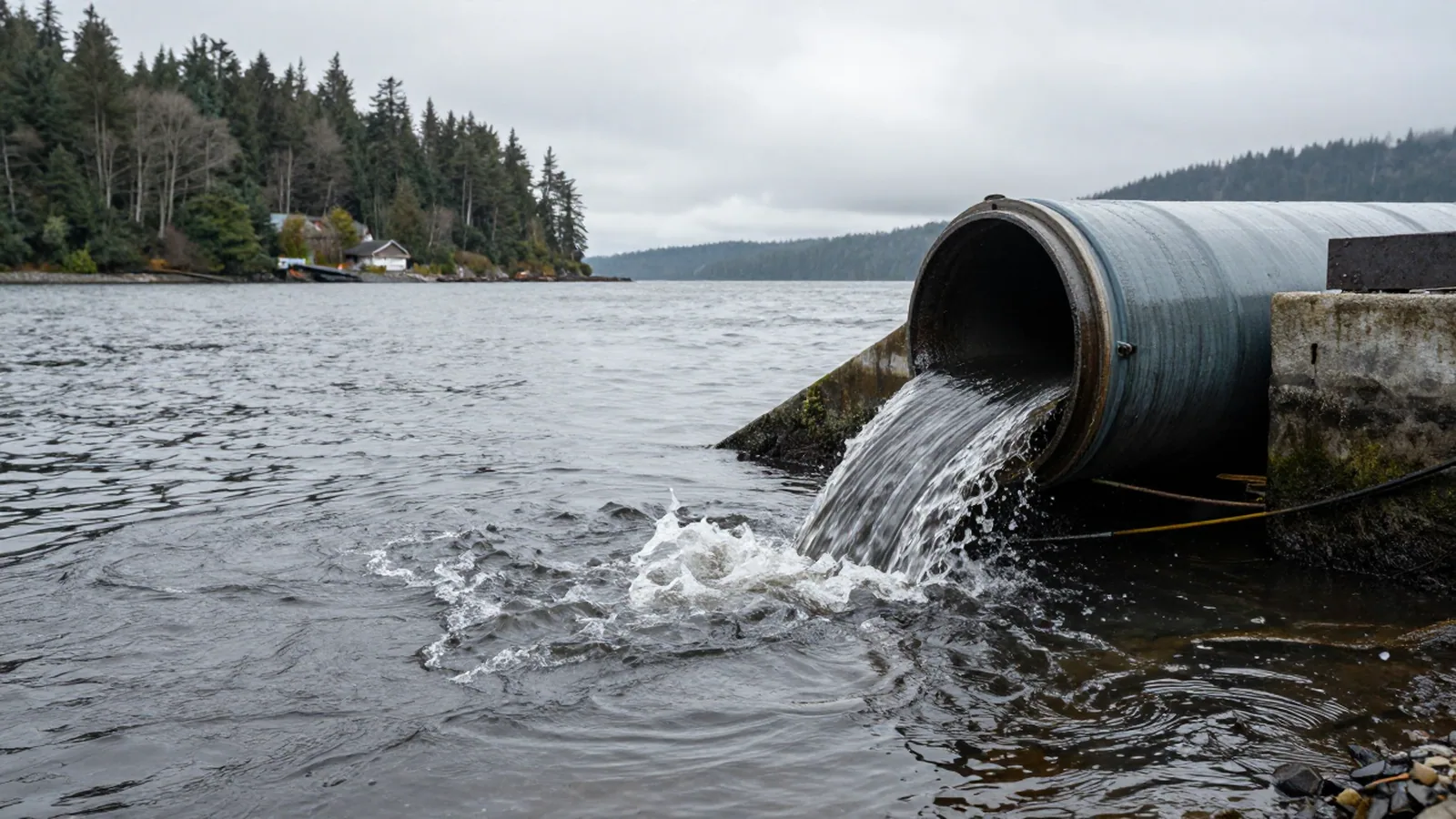
What would move thisStormwater treatment retrofits on the twelve largest urban outfalls.
Assessment
Orcas are apex predators and long-lived, which makes them near-perfect accumulators of persistent organic pollutants. PCBs, PBDEs and modern flame retardants concentrate up the food chain and settle in blubber.
The cruelty of the mechanism is in how it transfers. A first-time mother offloads a large share of her lifetime contaminant burden into her first calf through milk. First calves die at disproportionate rates.
Legacy chemicals are still leaching from sediments, old infrastructure and stormwater runoff. Banning a compound stops the inflow; it does not clean the system. This is a multi-decade problem being managed, not solved.
Key points
6 observations- 01PCBs persist decades after being banned
- 02Apex predators accumulate the most
- 03Contaminants transfer through milk
- 04First calves die at higher rates
- 05Stormwater keeps adding new inputs
- 06Starvation re-releases stored toxins